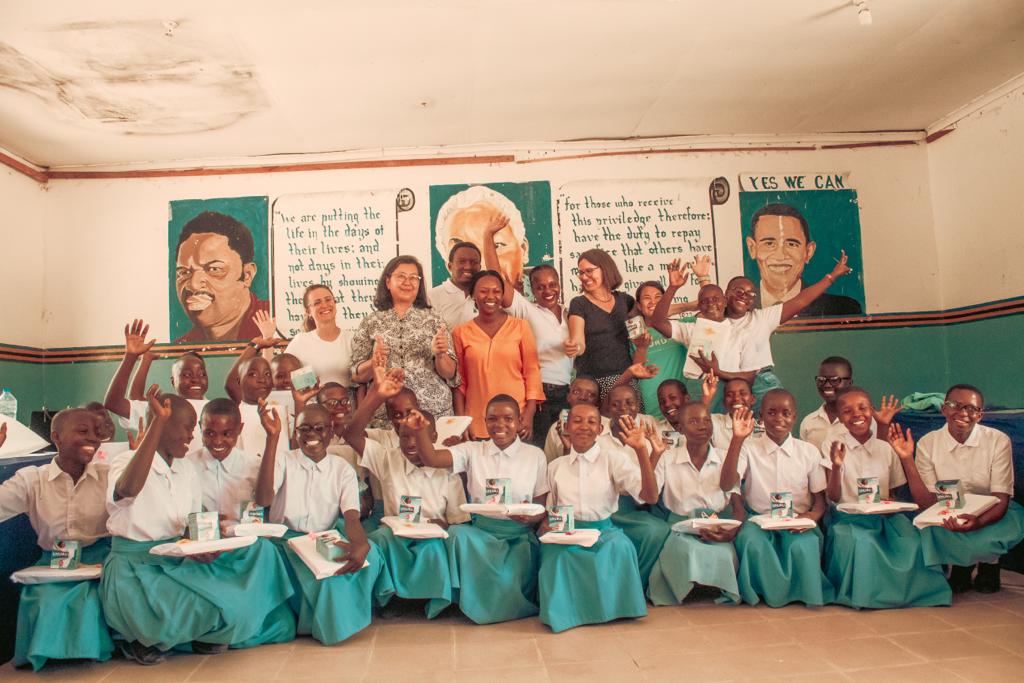
Our NGO is committed to empowering girls who have had to drop out of school due to various reasons by providing them with skills training and income-generating opportunities. One way we plan to achieve this is by strengthening our existing Handicraft section. This program will not only provide girls with valuable skills but also create avenues for them to earn income through the creation and sale of handmade items such as door mats, flower vase containers, bracelets, wall decorations, fruit containers, key holders, and more.
Objectives:
- Skill Development: Provide training in various handicraft techniques to equip girls with valuable skills that can be applied in creating a wide range of handmade items.
- Income Generation: Create opportunities for girls to earn income through the sale of their handmade products, thereby improving their financial independence and economic stability.
- Empowerment: Foster a sense of empowerment and self-confidence among girls by showcasing their talents and creativity through their handicrafts.
- Community Engagement: Engage the community in supporting and promoting the products made by the girls, thereby creating a sustainable market for their handicrafts.


Program Components:
Skills Training Workshops:
- Conduct regular workshops to train girls in various handicraft techniques, including weaving, pottery, beadwork, and painting.
- Invite skilled artisans or experts to provide specialized training in specific crafts.
- Ensure the workshops are interactive, hands-on, and tailored to the girls’ interests and abilities.
Product Development:
- Encourage girls to experiment with different materials and techniques to create a diverse range of handmade products.
- Provide guidance and support in developing designs that are marketable and appeal to customers.
- Explore opportunities for innovation and creativity in product development to set our handicraft section apart.
Market Research and Marketing Strategies:
- Conduct market research to identify potential customers, assess demand for handmade products, and understand market trends.
- Develop marketing strategies to promote the girls’ handicrafts, including online platforms, community events, and partnerships with local businesses.
- Utilize storytelling and social media to highlight the girls’ stories, craftsmanship, and the impact of their products.
Sales and Distribution:
- Establish sales outlets or partnerships with local retailers, markets, and online platforms to sell the girls’ handicrafts.
- Train girls in basic business skills, including pricing, inventory management, customer service, and financial literacy.
- Explore opportunities for bulk orders, customizations, and collaborations to expand sales channels and reach a wider audience.
Monitoring and Evaluation:
- Implement a system for monitoring the progress and impact of the program, including tracking girls’ participation, skills development, and income generated.
- Collect feedback from girls, mentors, and customers to continuously improve the program and address any challenges or barriers faced.
- Celebrate successes and milestones achieved by the girls, highlighting their achievements and contributions to their communities.
Conclusion: The Empowering Girls Through Handicrafts program holds immense potential to transform the lives of girls who have had to drop out of school by providing them with valuable skills, income-generating opportunities, and a sense of empowerment. By strengthening our existing Handicraft section and providing comprehensive support and training, we can unlock the creativity and potential of these girls, enabling them to thrive economically and socially while making meaningful contributions to their communities.